
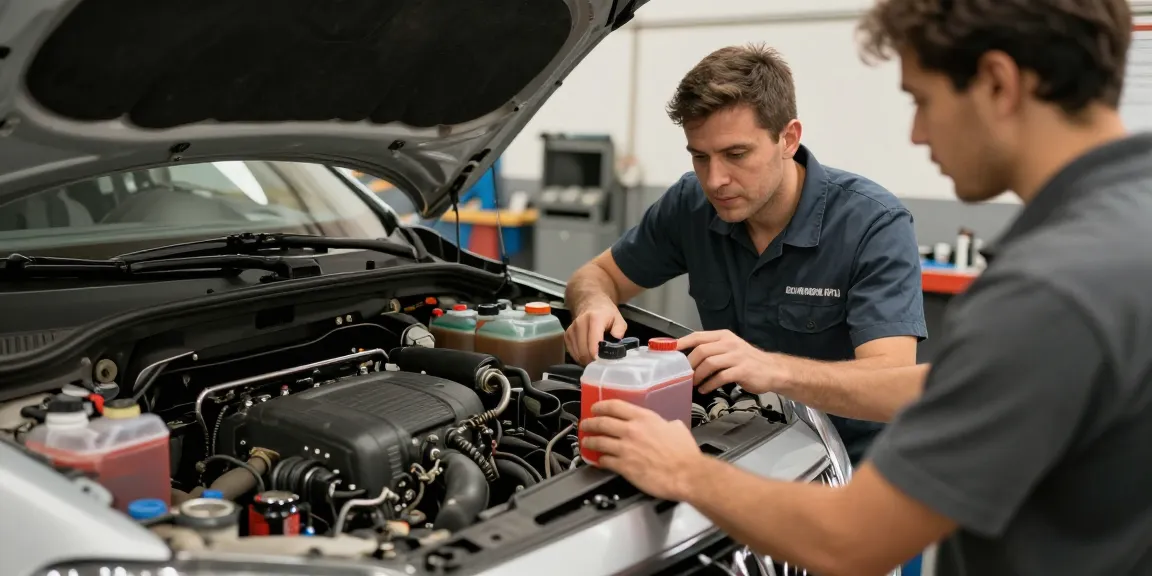
Understanding Low Coolant Symptoms
Maintaining your vehicle’s cooling system is essential for ensuring its overall performance and longevity. Identifying the low coolant symptoms early can help prevent serious engine damage. Whether you’re a seasoned driver or a new car owner, being aware of how coolant functions and what signs to look for can make a significant difference in your vehicle’s health.
What are Low Coolant Symptoms?
Low coolant symptoms often manifest as a series of warning signs indicating that your engine’s cooling system may be struggling. Some common symptoms include:
- Temperature Gauge Warning: If your temperature gauge frequently rises beyond the normal operating range, it may signal low coolant levels.
- Overheating Engine: A clear indicator of low coolant is when your engine overheats, often due to insufficient coolant to absorb heat.
- Coolant Leaks: Puddles of coolant beneath the vehicle are a red flag indicating leaks that can lead to low coolant levels.
- Steam from the Hood: Visible steam can indicate that the engine is overheating, potentially due to low coolant.
- Coolant Warning Light: Most modern vehicles have a warning light that activates when coolant levels are low.
Why Coolant Levels Matter
Coolant, or antifreeze, is crucial for regulating your engine’s temperature and preventing overheating. The right level of coolant ensures that heat is properly dissipated from the engine, maintaining optimal operating conditions. Low coolant levels can lead to catastrophic engine failure, making it essential to monitor and maintain the proper coolant level consistently.
Signs Your Vehicle Needs Attention
In addition to the physical signs of low coolant, drivers should remain alert to more subtle indicators of cooling issues. These can include:
- Engine Knocking Sounds: Unusual sounds can indicate potential engine damage due to overheating.
- Increased Fuel Consumption: A failing cooling system can lead to poor engine efficiency.
- Dashboard Warning Lights: Ignoring warning lights can exacerbate existing issues; prompt action is vital.
Choosing the Right Local Mechanic
Finding a reliable mechanic near you is critical to efficiently addressing low coolant symptoms and ensuring that your car or truck remains in optimal condition. Keep the following criteria in mind when seeking a local provider.
Essential Criteria for Selecting a Provider
Look for mechanics that are licensed, bonded, and insured. This gives you peace of mind knowing that they are legally recognized to operate and can handle potential unforeseen events. Check their certifications, as reputable mechanics often have specialized training in coolant system repairs.
Licensing and Certification Importance
The importance of licensing cannot be overstated. A properly licensed mechanic guarantees that they have met industry standards and possess the necessary skills to perform repairs properly. Certification from recognized organizations also assures you that you are dealing with a knowledgeable provider.
Reading Local Reviews and Testimonials
Checking online reviews and testimonials from previous customers can provide insight into a mechanic’s reputation. Look for patterns in feedback, particularly about their reliability, timeliness, and overall customer satisfaction. Positive local reviews can guide you toward making an informed decision.
Cost Breakdown of Coolant Services in 2026
Understanding the potential costs of coolant services helps you budget for any necessary repairs or maintenance. Here’s a general breakdown of what you might expect to pay in 2026.
Expected Pricing for Coolant Top-Offs
The average cost for a coolant top-off falls between $50 and $100, depending on your vehicle’s make and model and your location. Routine maintenance visits that include a coolant check typically range from $100 to $200.
Factors Influencing Repair Costs
Several factors can influence the costs associated with coolant and cooling system repairs:
- Type of Coolant: Different vehicles may require specific types of coolant, which can differ in price.
- Labor Costs: Mechanic rates can vary significantly by location and demand.
- Extent of Repairs: More extensive issues such as radiator replacements or water pump failures can drive costs higher.
Comparing DIY vs. Professional Help
While some vehicle owners may attempt DIY coolant top-offs, seeking professional help is often advisable for comprehensive diagnostics and repairs. DIY repairs may save money initially but could lead to more substantial issues if not completed correctly.
Emergency Services for Cooling Issues
In urgent situations, knowing when to seek immediate help is crucial. If your vehicle’s temperature gauge reaches dangerously high levels or if you experience steam or smoke rising from the engine compartment, stop driving and call for professional assistance right away.
When to Seek Immediate Help
Immediate help should be sought if you notice any of the following:
- Continued overheating, despite adding coolant.
- Appearance of coolant beneath the vehicle that suggests leaks.
- Repeated activation of the coolant warning light.
Community-Based Emergency Services
Many automobile service shops offer 24/7 emergency assistance. Establishing a relationship with a local mechanic can provide peace of mind knowing that assistance is readily available should a situation arise.
Typical Response Times
Most emergency roadside assistance services aim for response times of 30 minutes to 2 hours, depending on your location and their availability. It is advisable to have a trusted service provider’s number handy so you can call swiftly in an emergency.
Maintaining Your Cooling System
Regular maintenance of your vehicle’s cooling system is key to preventing costly repairs and prolonging the engine’s life. By following a few preventive measures, you can keep your cooling system functioning effectively.
Regular Maintenance Tips for Vehicle Owners
Consider these maintenance tips:
- Check coolant levels every few months or before long trips.
- Replace coolant as specified in your owner’s manual, typically every 30,000 to 50,000 miles.
- Inspect hoses and connections for leaks or wear during routine maintenance.
Seasonal Cooling System Checks
Seasonal check-ups can prevent overheating in the hot months and freezing coolant in cold months. Scheduling service before summer and winter can ensure your system works properly under different conditions.
Preparing for Extreme Weather Conditions
When anticipating extreme weather conditions, consider having your coolant system inspected and topped off. Taking proactive measures can help prevent failure when you need your vehicle most.
What is the first sign of low coolant?
The first sign is typically the temperature gauge rising above normal levels or the illumination of the coolant warning light.
Can low coolant cause overheating?
Yes, low coolant levels can result in the engine not being adequately cooled, leading to overheating.
How often should I check my coolant levels?
It is recommended to check coolant levels every few months, especially before long trips or at the change of seasons.